

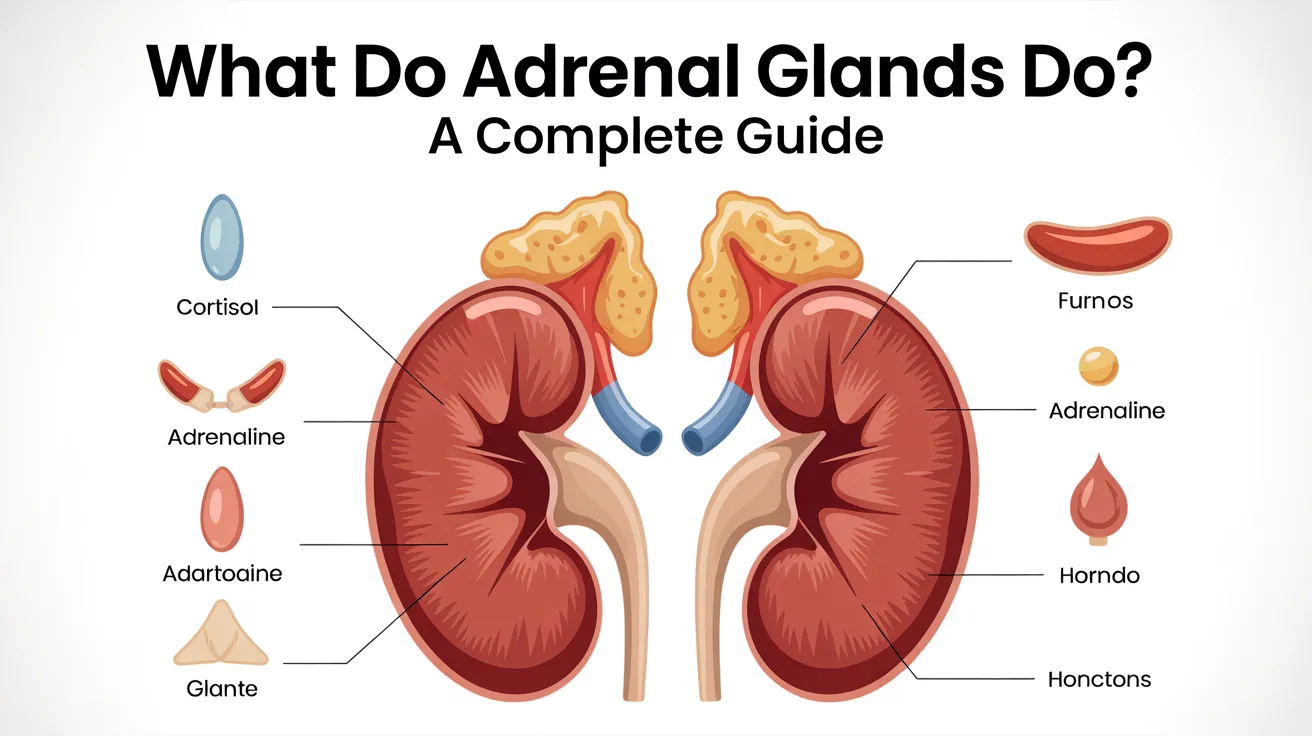
The adrenal glands are small but powerful organs in your body, playing a vital role in regulating stress, metabolism, and overall health. Despite their tiny size, they have a big impact on how you respond to daily challenges. This guide will explore their functions, common issues, and practical tips for keeping them healthy.
Understanding the Adrenal Glands
The adrenal glands are two triangular-shaped glands located on top of each kidney. They are part of your endocrine system, which is responsible for producing hormones that regulate various bodily functions.
Key Facts:
- Size: About 1-2 inches long.
- Location: Sit above the kidneys.
- Shape: Triangular or pyramid-like.
- System: Endocrine (hormone-producing).
Structure of the Adrenal Glands
The adrenal glands have two main parts, each responsible for different hormones:
- Adrenal Cortex (outer layer)
- Produces steroid hormones:
- Cortisol – regulates stress and metabolism.
- Aldosterone – controls blood pressure by balancing sodium and potassium.
- Androgens – contribute to growth and sexual development.
- Produces steroid hormones:
- Adrenal Medulla (inner layer)
- Produces catecholamines:
- Adrenaline (epinephrine) – triggers the fight-or-flight response.
- Noradrenaline (norepinephrine) – helps maintain blood pressure and alertness.
- Produces catecholamines:
Visual cue: Imagine the adrenal gland like a tiny hat on top of each kidney, with an outer “coat” (cortex) and inner “core” (medulla).
What Do Adrenal Glands Do?
The adrenal glands regulate several essential functions, including:
- Stress response:
Cortisol and adrenaline help your body respond to stress, whether it’s physical, mental, or emotional. - Metabolism:
Cortisol controls how your body converts fat, protein, and carbohydrates into energy. - Blood pressure regulation:
Aldosterone maintains fluid and electrolyte balance. - Immune system modulation:
Cortisol helps control inflammation and immune responses. - Energy and alertness:
Adrenaline increases heart rate and blood flow to muscles during emergencies.
Signs of Adrenal Gland Imbalance
Adrenal gland issues can manifest in various ways, depending on whether there is overproduction or underproduction of hormones.
Common Symptoms of Adrenal Overactivity (e.g., Cushing’s Syndrome):
- Rapid weight gain, especially around the abdomen and face
- High blood pressure
- Mood swings or irritability
- Muscle weakness
Common Symptoms of Adrenal Underactivity (e.g., Addison’s Disease):
- Fatigue and weakness
- Unexplained weight loss
- Low blood pressure and dizziness
- Darkening of the skin (hyperpigmentation)
Tip: If you notice persistent fatigue, dizziness, or unusual changes in weight or mood, consult a healthcare professional.
How to Support Healthy Adrenal Function
Your lifestyle can significantly affect adrenal health. Here are some practical tips:
- Manage stress: Practice mindfulness, meditation, or gentle exercise like yoga.
- Balanced diet: Include whole grains, lean proteins, healthy fats, and plenty of fruits and vegetables.
- Regular sleep: Aim for 7–9 hours per night; sleep deprivation stresses adrenal function.
- Exercise wisely: Moderate exercise supports adrenal health, but overtraining can strain them.
- Avoid excessive caffeine and sugar: These can overstimulate the adrenal glands.
Where Adrenal Glands “Live” in the Body
- Location: Sit atop the kidneys, in the retroperitoneal space (behind the stomach).
- Environment: Protected by the ribcage and surrounded by fat for cushioning.
- Interaction: Closely connected with the pituitary gland and hypothalamus, forming the HPA axis, which controls stress hormone release.
Common Conditions Affecting Adrenal Glands
- Addison’s Disease: Adrenal glands do not produce enough cortisol or aldosterone.
- Cushing’s Syndrome: Excess cortisol production, often due to tumors or long-term steroid use.
- Adrenal Tumors: Usually benign, but can affect hormone production.
- Congenital Adrenal Hyperplasia: A genetic disorder affecting hormone synthesis.
FAQ: Adrenal Glands
1. Can adrenal glands affect weight gain?
Yes. Cortisol influences fat storage, especially around the abdomen. High cortisol levels can lead to weight gain.
2. How can I test adrenal function?
Doctors may order blood, urine, or saliva tests to measure cortisol, aldosterone, and other hormone levels.
3. Can lifestyle changes improve adrenal health?
Absolutely. Stress management, proper sleep, balanced nutrition, and regular moderate exercise can support adrenal function.