

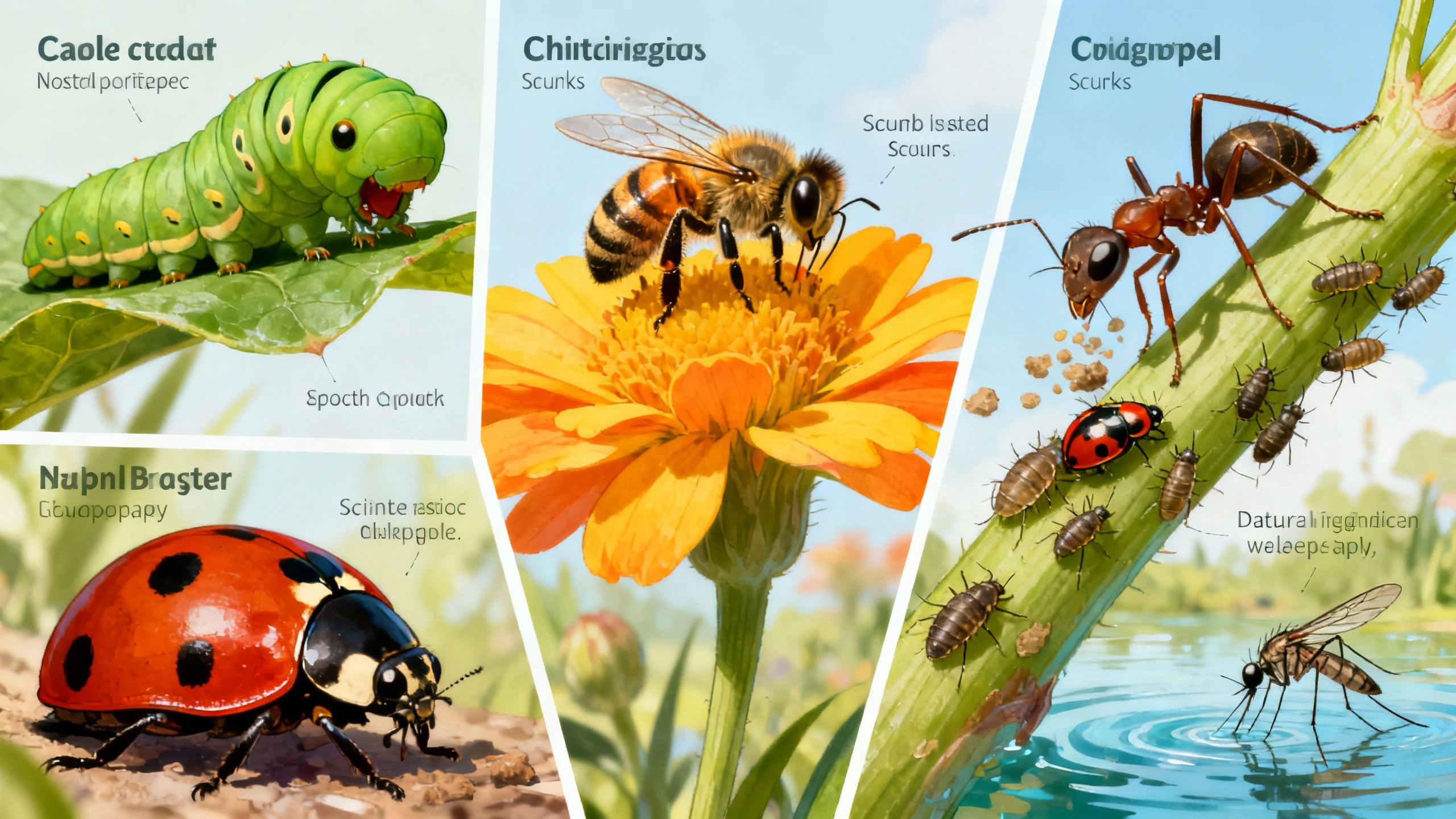
Bugs, or insects, are among the most diverse and fascinating creatures on Earth. With millions of species, their diets vary widely—from plant matter to other insects, and even human food in some cases. Understanding what bugs eat not only satisfies curiosity but also helps in pest control, gardening, and caring for pet insects.
In this guide, we’ll explore the eating habits of common bugs, provide practical tips, and answer frequently asked questions.
Types of Bugs and Their Diets
Bugs are not all the same, and their diets reflect their species, habitats, and biological needs. Broadly, bugs fall into several categories based on what they eat:
1. Herbivorous Bugs
Herbivorous bugs feed primarily on plants, flowers, and leaves.
Examples: Aphids, leafhoppers, caterpillars.
Diet includes:
- Leaves, stems, and flowers
- Nectar and pollen
- Fruits and seeds
Visual cues:
- Chewed leaves or holes in petals
- Sticky residue from sap-sucking bugs (e.g., aphids)
2. Carnivorous Bugs
These bugs prey on other insects or small animals.
Examples: Ladybugs, praying mantises, assassin bugs.
Diet includes:
- Aphids, flies, and other small insects
- Occasionally tiny spiders
Signs of carnivorous bugs:
- Dead insects in the area
- Bugs actively hunting on plants or soil
3. Omnivorous Bugs
Some bugs eat both plant and animal matter.
Examples: Cockroaches, ants, beetles.
Diet includes:
- Decaying plants and fruits
- Other insects or animal protein
- Leftover human food
Visual cues:
- Scavenged crumbs or food debris
- Presence in kitchens or garbage areas
4. Parasitic Bugs
Parasitic bugs feed on a host for survival.
Examples: Fleas, lice, bedbugs.
Diet includes:
- Blood from mammals, birds, or reptiles
- Tissue fluids
Signs of parasitic bugs:
- Bite marks on skin
- Itching or red bumps
How Bugs Find Their Food
Bugs have evolved remarkable adaptations to locate and consume food.
- Scent detection: Many bugs, like ants, use chemical trails to find food sources.
- Visual cues: Predatory bugs like mantises rely on eyesight to track prey.
- Vibration or movement: Some insects sense vibrations to locate other creatures or food.
- Specialized mouthparts:
- Chewing (beetles, caterpillars)
- Piercing and sucking (aphids, mosquitoes)
- Lapping (bees, flies)
Practical Tips for Observing Bug Diets
If you want to observe what bugs eat, here are some tips:
- Set up a small garden or terrarium with various plants.
- Place small insect traps (non-lethal) to watch activity.
- Observe early in the morning or late evening when bugs are most active.
- Note the type of damage on leaves or presence of frass (insect droppings).
Where Bugs Can Be Found or Live
Bugs inhabit almost every environment on Earth. Here’s a quick guide to where you can find them based on their dietary habits:
- Herbivores: Gardens, forests, grasslands, and potted plants.
- Carnivores: Near herbivorous bug populations, under rocks, and in shrubs.
- Omnivores: Kitchens, garbage areas, compost heaps, and damp basements.
- Parasitic bugs: On pets, bedding, furniture, and human clothing.
Bugs are highly adaptable and can survive in soil, water, trees, and even urban areas.
Signs a Bug Has Been Eating
Recognizing feeding habits can help identify bugs in your home or garden:
- Chewed or skeletonized leaves → herbivorous insects
- Dead insects nearby → carnivorous predators
- Sticky honeydew residue → aphids or sap-sucking bugs
- Bites on skin → parasitic bugs
Common Bugs and What They Eat
| Bug Type | Examples | Typical Diet |
|---|---|---|
| Ants | Carpenter ants, pavement ants | Sugars, proteins, seeds, small insects |
| Beetles | Ladybugs, weevils | Aphids, plant leaves, grains |
| Flies | Houseflies, fruit flies | Decaying matter, fruits, human food |
| Mosquitoes | Female mosquitoes | Blood, nectar |
| Spiders (technically arachnids) | Jumping spiders | Insects |
FAQs About Bug Diets
1. Can bugs eat human food?
Yes! Omnivorous bugs like cockroaches and ants are attracted to crumbs, sugar, and leftovers.
2. Why do some bugs only eat plants?
Herbivorous bugs have specialized mouthparts and digestive systems suited to plant material.
3. How can I identify what a bug is eating in my garden?
Look for leaf damage, frass, missing petals, or dead insects nearby. Observation at dawn or dusk often reveals feeding behavior.
Conclusion
Bugs play essential roles in ecosystems, whether as pollinators, predators, or decomposers. Understanding their diets helps gardeners, pet owners, and curious observers alike. From leafy chew marks to blood-sucking parasites, the diversity of bug diets is both fascinating and practical to study.