

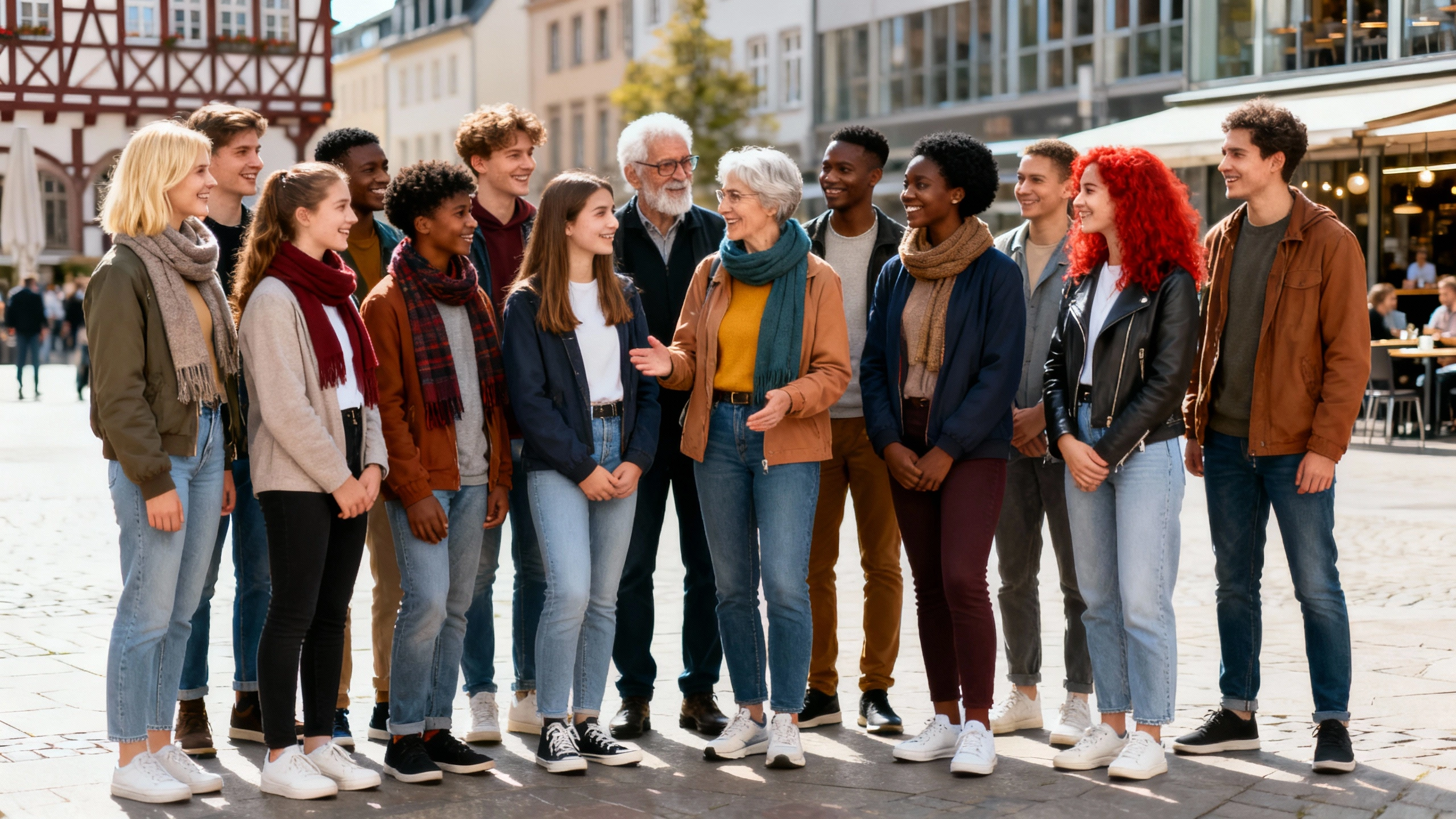
Understanding what Germans look like involves exploring physical traits, cultural diversity, and regional variations. While appearance can vary widely, there are common features and characteristics that are often associated with people from Germany. This guide offers practical insights and tips to help you recognize typical traits, while respecting individuality.
Physical Characteristics of Germans
Germans are ethnically diverse, so physical appearances can vary. However, some general features are commonly observed:
- Hair Color
- Blonde: Particularly in northern regions.
- Brown: The most common across Germany.
- Black or darker shades: More prevalent in southern Germany and urban areas.
- Eye Color
- Blue and green eyes are frequently seen.
- Brown and hazel eyes are also common.
- Skin Tone
- Generally fair to light skin tones.
- Olive or slightly darker tones may appear in southern Germany and multicultural cities.
- Facial Features
- High cheekbones and well-defined jawlines are often noted.
- Nose shapes vary from straight to slightly aquiline.
- Eye shapes are usually almond or round, depending on regional ancestry.
- Height and Build
- Average height: About 5’10” (178 cm) for men, 5’5” (165 cm) for women.
- Body build: Typically medium to tall, with variations influenced by lifestyle and genetics.
Regional Variations
Germany has several regions with subtle differences in appearance:
- Northern Germany: Lighter hair, fair skin, and taller stature.
- Southern Germany (Bavaria, Baden-Württemberg): Darker hair, sometimes olive-toned skin.
- Eastern Germany: Similar to northern traits but with greater diversity due to historical migrations.
- Urban Areas: Cities like Berlin, Frankfurt, and Hamburg show significant multicultural influences, leading to more diverse appearances.
Clothing and Style Tips
Germans tend to favor practical and stylish clothing. Some common observations:
- Everyday Wear
- Casual jeans, jackets, sweaters, and scarves.
- Neutral and muted colors are common.
- Traditional Attire
- Lederhosen for men and Dirndls for women, mostly during festivals like Oktoberfest.
- Bright patterns, embroidery, and leather materials are typical for cultural events.
- Professional Look
- Conservative and elegant clothing in workplaces: blazers, dress shirts, and tailored outfits.
Cultural Traits and Visual Cues
While appearance is physical, some subtle cultural cues are visible:
- Punctuality is highly valued; people may appear organized and well-kept.
- Minimalist fashion reflects practicality and efficiency.
- Outdoor activities are common, so athletic builds are sometimes noticed.
Where Germans Can Be Found or Live
Germans live predominantly in Germany, but communities exist worldwide due to migration and travel. Typical environments include:
- Urban Centers: Berlin, Munich, Hamburg – multicultural and modern lifestyles.
- Rural Areas: Bavaria, Saxony – traditional homes and close-knit communities.
- Historical Sites: Castles, villages, and towns reflecting German heritage.
- Global Communities: United States, Canada, Australia, and South America host significant German-descended populations.
Practical Tips for Recognizing Germans
- Look for regional features: Northern vs. Southern traits.
- Consider cultural clothing during festivals or special events.
- Observe language cues: German is commonly spoken in Germany and among expatriates.
- Keep in mind diversity: Not all Germans fit stereotypes; appearances vary widely.
FAQ – Common Questions About German Appearance
1. Do all Germans have blonde hair and blue eyes?
No. While northern Germans may often have these features, many Germans have brown or black hair and various eye colors.
2. Can you recognize a German by clothing?
Sometimes. Traditional outfits like Lederhosen or Dirndls are worn for festivals, but everyday clothing is modern and practical.
3. Are Germans taller than average?
On average, German people of all genders are slightly taller than the global average, but height varies regionally and individually.
Conclusion
Germans come in a wide variety of appearances influenced by regional ancestry, genetics, and lifestyle. While certain features like fair skin, lighter eyes, and a practical style are common, diversity is key. Observing clothing, behavior, and context can give additional clues, but individuality always matters.