

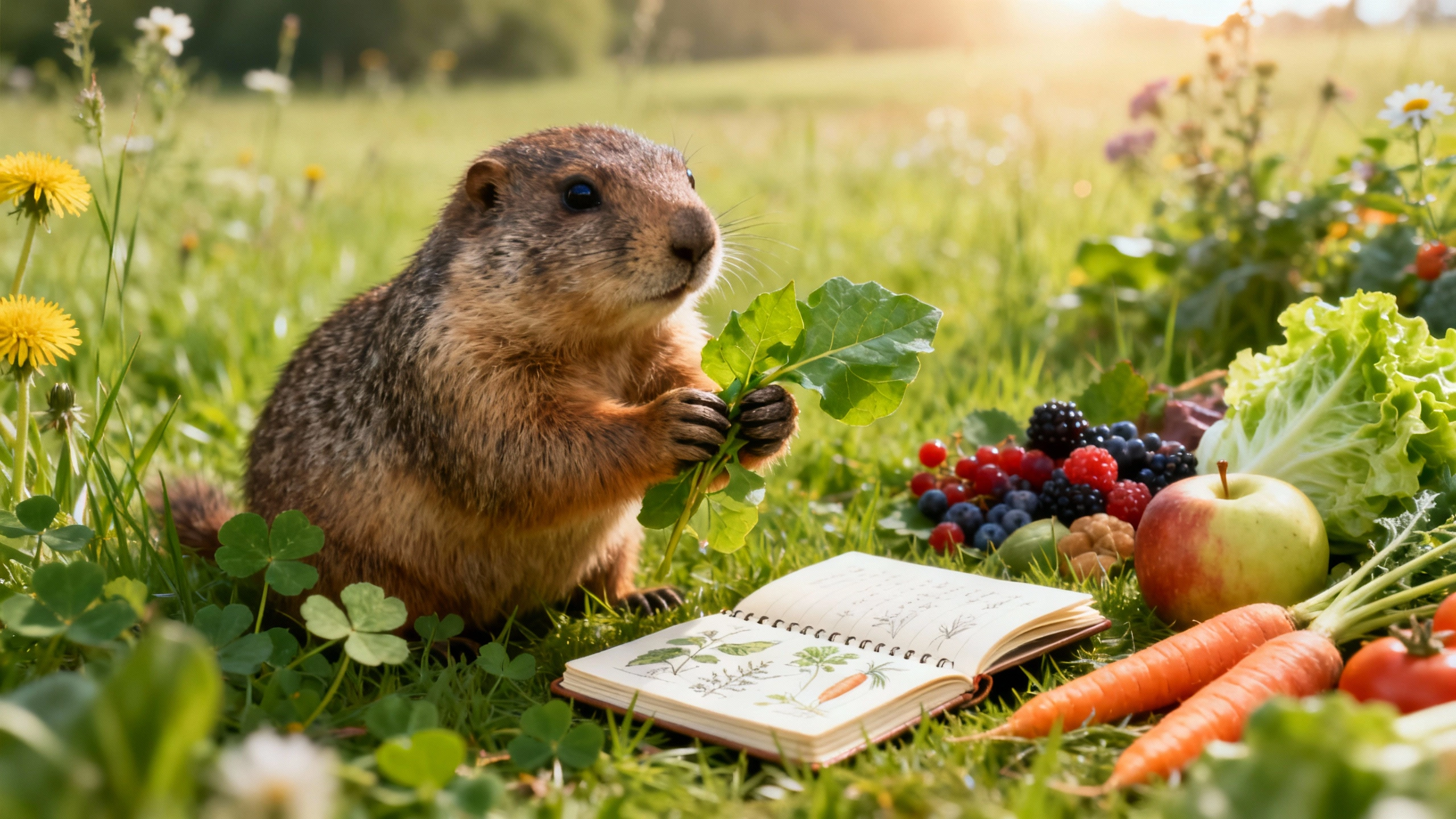
Groundhogs, also known as woodchucks, are fascinating creatures commonly found in North America. Understanding their diet is important for gardeners, wildlife enthusiasts, and anyone curious about local wildlife. This guide explores what groundhogs eat, where they live, and practical tips for coexisting with them.
Introduction to Groundhog Diets
Groundhogs are primarily herbivores, meaning they mostly eat plants. However, their diet can vary depending on the season and available food sources. By understanding what they eat, you can better predict their behavior and protect gardens or crops.
Typical Foods Groundhogs Eat
Groundhogs are opportunistic feeders, so their diet is diverse. Here’s a breakdown:
Vegetables and Fruits
Groundhogs love tender, leafy greens and garden vegetables. Common favorites include:
- Lettuce, kale, spinach
- Carrots and radishes
- Beans, peas, and corn
- Apples, berries, and peaches
Grains and Seeds
They occasionally nibble on grains when available:
- Wheat, oats, and corn kernels
- Sunflower seeds
- Grass seeds
Wild Plants and Herbs
Groundhogs also eat plants they find in the wild:
- Clover and dandelions
- Alfalfa and other wild herbs
- Shrubs and low-hanging tree leaves
Occasionally Animal Matter
Although primarily herbivores, groundhogs may sometimes eat insects or small invertebrates, especially for extra protein during certain seasons. Examples include:
- Caterpillars and beetles
- Snails or slugs
How Groundhogs Eat
- Foraging habits: Groundhogs usually feed early in the morning or late afternoon. They often leave trails leading from burrows to feeding areas.
- Chewing: Their strong teeth allow them to bite through tough stems and roots. Look for chewed leaves or stripped bark near plants.
- Storage: Groundhogs don’t store food extensively, but they may eat extra to prepare for hibernation.
Signs of Groundhog Feeding
If you’re unsure whether groundhogs are in your garden, look for these signs:
- Half-eaten vegetables or fruits
- Flattened grass or trails leading to burrows
- Burrows nearby, often under shrubs or near fences
- Gnaw marks on plants or wooden structures
Seasonal Diet Changes
Groundhog diets shift with the seasons:
- Spring: Tender greens, dandelions, clover, and garden seedlings
- Summer: Fruits, berries, corn, and garden vegetables
- Fall: Grains, seeds, and leaves to build fat for hibernation
- Winter: Mainly hibernating, rarely eating if disturbed
Where Groundhogs Can Be Found or Live
Groundhogs prefer habitats that provide both food and safety. Common locations include:
- Open fields and meadows
- Edges of forests
- Gardens and farms
- Near streams or ditches
- Burrows dug in soft soil, often under rocks, logs, or brush
Tip: If you have a garden near these areas, fencing or raised beds can help prevent damage.
Groundhog Diet Tips for Gardeners
To protect your plants without harming wildlife:
- Use wire fencing at least 3 feet high
- Plant sacrificial crops away from main gardens
- Avoid leaving fallen fruits or vegetables on the ground
- Encourage natural predators, like hawks or foxes, to keep groundhog numbers balanced
FAQs About Groundhog Diets
1. Can groundhogs eat meat?
While they primarily eat plants, groundhogs may occasionally consume insects or small invertebrates for extra protein.
2. How much do groundhogs eat daily?
A typical adult groundhog can consume up to 1–2 pounds of vegetation per day, depending on the season and availability of food.
3. Will feeding groundhogs attract more of them?
Yes. Feeding groundhogs intentionally can attract them to your property, increasing the risk of garden damage. It’s best to let them forage naturally.
Conclusion
Groundhogs are mostly herbivores with a diverse diet that includes vegetables, fruits, grains, and wild plants. Understanding their feeding habits helps gardeners protect crops and allows wildlife enthusiasts to appreciate these creatures without conflict. By recognizing their signs, seasonal diet changes, and preferred habitats, you can coexist with groundhogs safely and responsibly.