

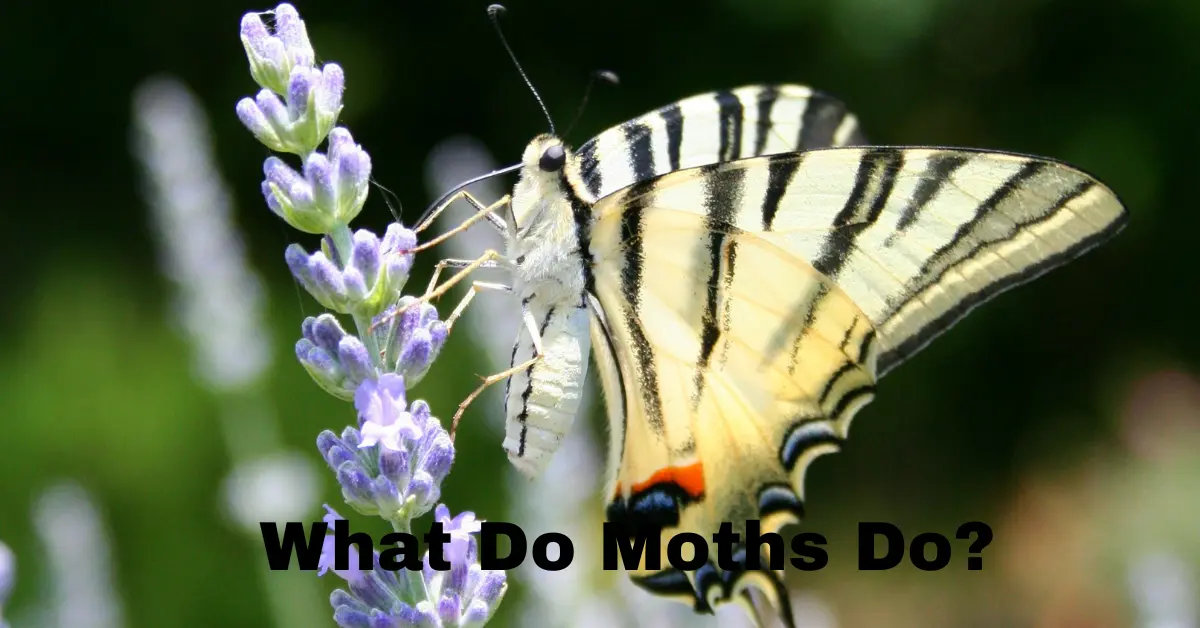
Moths are often misunderstood creatures, sometimes mistaken for pests. However, these nocturnal insects play important roles in nature and exhibit fascinating behaviors. Understanding what moths do can help you appreciate their ecological contributions and manage them in your home or garden.
Moths are closely related to butterflies, sharing the order Lepidoptera, but they are usually nocturnal and less colorful. They are more than just creatures fluttering around lights at night—they are pollinators, food sources for other animals, and indicators of environmental health.
Life Cycle of Moths
Moths undergo a complete metamorphosis, which includes four stages:
- Eggs – Laid on host plants, fabrics, or other suitable surfaces.
- Larvae (Caterpillars) – Most feeding occurs here; some species feed on leaves, while others may target stored fabrics or grains.
- Pupae (Cocoon Stage) – The caterpillar transforms inside a protective cocoon.
- Adult Moths – They emerge to mate and lay eggs, often focusing on reproduction rather than feeding.
Practical Tip: Knowing the life cycle helps in controlling moth infestations, particularly for clothes or pantry moths.
What Moths Do
1. Pollination
Many moths are pollinators, especially nocturnal flowers that bloom at night. They carry pollen from plant to plant, contributing to ecosystems just like bees and butterflies.
- Examples: Hawk moths and sphinx moths pollinate night-blooming flowers such as moonflowers and evening primroses.
- Visual Cue: They have long, tubular proboscises for reaching nectar deep in flowers.
2. Food Source for Wildlife
Moths are essential in the food chain. Birds, bats, spiders, and even other insects rely on moths and their larvae for nutrition.
- Observation Tip: If you see lots of birds feeding at dusk, moths are likely abundant in the area.
3. Decomposition and Recycling
Some moth larvae feed on detritus, decaying matter, or fungi, helping recycle nutrients in the ecosystem.
4. Indirect Effects on Humans
While most moths are harmless, some species can be pests:
- Clothes Moths: Feed on wool, silk, and fur, causing damage to textiles.
- Pantry Moths: Infest grains, flour, and dried fruits.
Tip: Regularly inspect stored fabrics and pantry items to prevent moth-related damage.
Where Moths Can Be Found or Live
Moths are incredibly adaptable and can be found almost anywhere:
- Forests & Gardens: Many species feed on leaves or nectar.
- Grasslands & Meadows: Caterpillars consume grasses and wildflowers.
- Homes: Clothes moths hide in wardrobes, carpets, and stored textiles.
- Pantries: Pantry moths infest grains, cereal, nuts, and dried fruits.
- Urban Areas: Moths are attracted to outdoor lights and can be seen around street lamps or garden lights.
Environmental Note: Moths prefer sheltered, dark, and humid areas for laying eggs, which is why closets, pantries, and cupboards are common indoor spots.
How to Identify Moth Activity
Moth activity can be noticed through:
- Visual Signs: Small holes in fabrics, webbing in grains, or fluttering around lights at night.
- Larvae: Caterpillars on plants or in infested materials.
- Damage: Chewed clothing, carpets, or pantry items.
Tips for Managing Moths
- Preventive Measures
- Store woolens and silks in airtight containers.
- Regularly clean wardrobes and pantry shelves.
- Use natural repellents like cedar, lavender, or mothballs.
- Monitoring
- Place sticky traps to monitor moth presence.
- Inspect new pantry items or second-hand clothing before bringing them indoors.
- Eco-Friendly Approaches
- Encourage natural predators, such as bats or birds, in your garden.
- Use pheromone traps specifically for pantry or clothes moths.
Frequently Asked Questions (FAQ)
1. Are all moths harmful to humans or clothes?
No, most moths are harmless and play important ecological roles. Only a few species, like clothes moths and pantry moths, cause damage to textiles or stored food.
2. Why are moths attracted to light at night?
Moths navigate using natural light sources like the moon. Artificial lights confuse them, causing them to fly around lamps or windows.
3. How can I tell the difference between a moth and a butterfly?
- Moths are usually nocturnal, have feathery or comb-like antennae, and rest with wings open or flat.
- Butterflies are usually diurnal, have clubbed antennae, and rest with wings closed.