

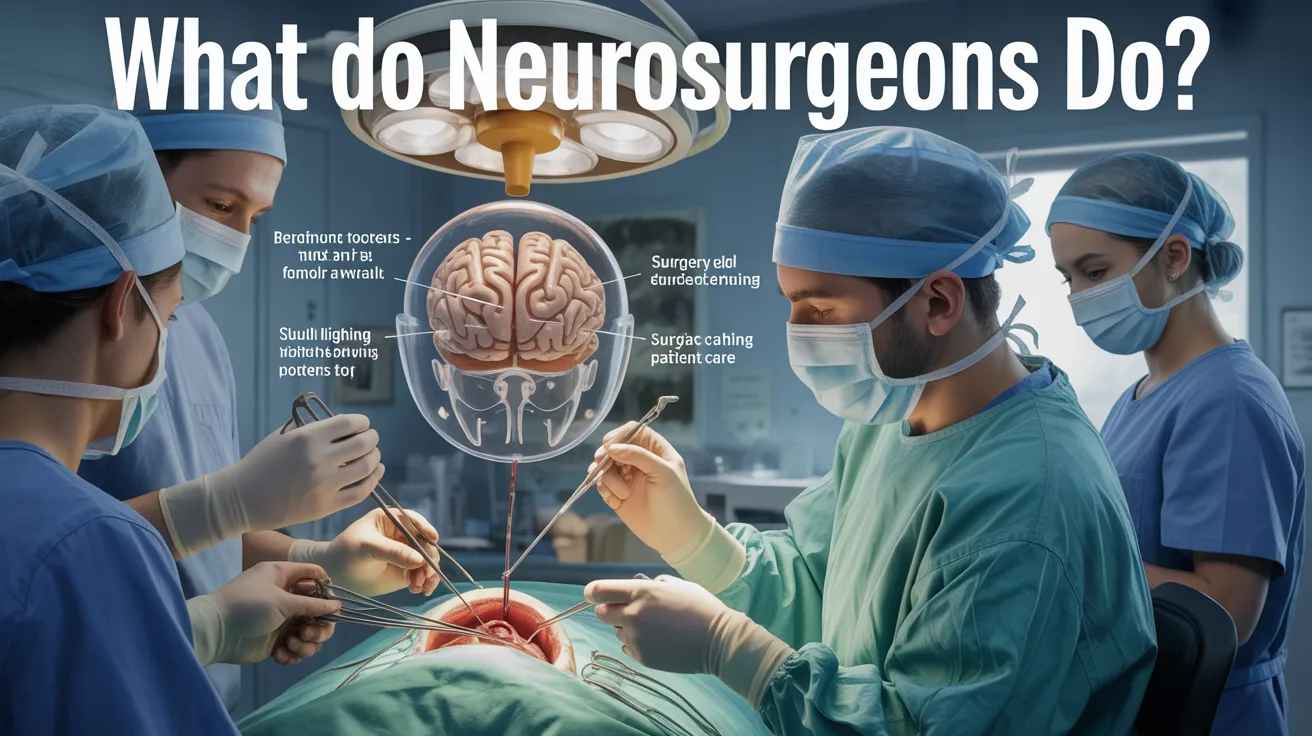
Neurosurgeons are highly trained medical specialists who focus on diagnosing, treating, and managing disorders of the brain, spinal cord, and nervous system. Their work blends advanced medical knowledge with precision surgical skills, and they often collaborate with other healthcare professionals to provide comprehensive care. This guide will explore what neurosurgeons do, the conditions they treat, and how their expertise impacts patient health.
What Is a Neurosurgeon?
A neurosurgeon is a medical doctor who specializes in surgery for the nervous system. This includes the brain, spinal cord, nerves, and related structures. Unlike neurologists, who primarily focus on diagnosis and non-surgical treatment, neurosurgeons perform surgical procedures to address complex neurological issues.
Key Responsibilities:
- Diagnosing neurological disorders.
- Performing surgeries on the brain, spine, or peripheral nerves.
- Managing post-operative care and rehabilitation.
- Collaborating with neurologists, oncologists, and other specialists.
Common Conditions Treated by Neurosurgeons
Neurosurgeons handle a wide range of neurological issues, from traumatic injuries to chronic diseases. Common conditions include:
- Brain Tumors: Surgical removal or biopsy of tumors to prevent spread or reduce pressure.
- Spinal Disorders: Herniated discs, spinal stenosis, or injuries requiring surgical intervention.
- Traumatic Brain Injuries: Treating skull fractures, hematomas, or pressure from swelling.
- Aneurysms and Vascular Disorders: Repairing blood vessel abnormalities in the brain.
- Peripheral Nerve Injuries: Repairing nerves in limbs after trauma.
Symptoms That May Require a Neurosurgeon:
- Severe or persistent headaches.
- Sudden numbness or weakness in limbs.
- Vision or speech disturbances.
- Loss of balance or coordination.
- Chronic back or neck pain unresponsive to therapy.
Typical Procedures Neurosurgeons Perform
Neurosurgical procedures vary in complexity, from minimally invasive interventions to major brain surgeries. Examples include:
- Craniotomy: Opening the skull to remove tumors or relieve pressure.
- Spinal Fusion: Stabilizing the spine using rods, screws, or bone grafts.
- Endovascular Procedures: Treating aneurysms or clots using catheter-based techniques.
- Deep Brain Stimulation (DBS): Implanting electrodes to manage movement disorders.
Visual Cues During Recovery:
- Bandages on the head or spine.
- Limited mobility and use of assistive devices.
- Scans such as MRI or CT used to monitor post-surgical progress.
Day-to-Day Life of a Neurosurgeon
Neurosurgeons work in highly specialized environments. Their daily routine may include:
- Reviewing patient scans and medical histories.
- Performing surgeries in operating rooms.
- Consulting with patients and families about treatment plans.
- Attending multidisciplinary team meetings.
- Conducting follow-ups and monitoring recovery progress.
Work Environment Tips:
- Often high-pressure, requiring focus and stamina.
- Long hours, including nights and weekends for emergencies.
- Continuous learning to keep up with technological advances.
Education and Training Required
Becoming a neurosurgeon is an extensive process:
- Undergraduate Degree: Typically 4 years in a science-related field.
- Medical School: 4 years to earn an MD or DO degree.
- Residency: 6–7 years in neurosurgery training.
- Fellowship (Optional): Additional 1–2 years specializing in areas like pediatric neurosurgery or spine surgery.
Skills Needed:
- Exceptional manual dexterity and precision.
- Strong problem-solving and analytical abilities.
- Compassion and communication for patient care.
- Ability to perform under stress.
Where Neurosurgeons Work
Neurosurgeons can be found in a variety of clinical and hospital environments:
- Hospitals: Major trauma centers, teaching hospitals, and specialized neurological units.
- Private Clinics: Offering elective surgeries and consultations.
- Research Institutes: Conducting studies on new surgical techniques or neurological diseases.
- Academic Settings: Teaching medical students and residents.
They often collaborate with radiologists, neurologists, oncologists, and rehabilitation specialists to provide holistic care.
Practical Tips for Patients
- Before Surgery: Ask questions about risks, recovery, and alternatives.
- After Surgery: Follow rehabilitation programs and attend all follow-ups.
- Lifestyle Considerations: Maintaining a healthy diet, avoiding smoking, and managing stress support recovery.
FAQ: Neurosurgeons
Q1: How is a neurosurgeon different from a neurologist?
A1: Neurologists diagnose and manage neurological disorders non-surgically, while neurosurgeons perform surgical interventions when needed.
Q2: How long does it take to become a neurosurgeon?
A2: Typically 14–16 years, including undergraduate, medical school, residency, and optional fellowship.
Q3: Are neurosurgeries risky?
A3: All surgeries carry risks, but neurosurgeons use advanced techniques and monitoring to minimize complications.