

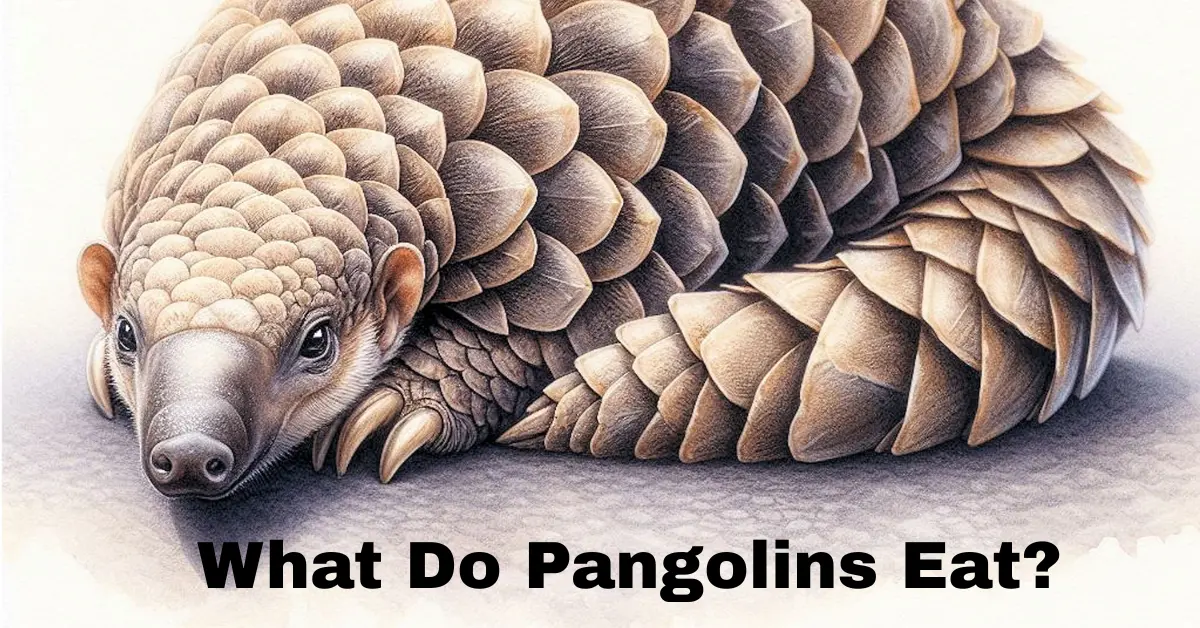
Pangolins, often referred to as “scaly anteaters,” are fascinating creatures known for their unique armor-like scales and specialized diets. Understanding what pangolins eat is essential for wildlife enthusiasts, conservationists, and anyone interested in these elusive mammals. This guide provides detailed insights into their feeding habits, dietary needs, and habitats.
Overview of Pangolin Diet
Pangolins are insectivores, which means they primarily eat insects. Unlike many other mammals, pangolins do not chew their food; instead, they rely on their long, sticky tongues to capture prey. Their diet is highly specialized, and their feeding behavior reflects their unique adaptations.
Key Points:
- Pangolins feed almost exclusively on ants and termites.
- They have a strong sense of smell to locate insect nests.
- Their tongue can extend longer than their body length in some species.
- They have no teeth, so digestion is aided by keratinous stomach linings and small stones they swallow.
Typical Foods in a Pangolin’s Diet
Pangolins are selective eaters. Their diet varies slightly depending on the species and the region they inhabit.
Common Foods:
- Ants – Worker ants, soldier ants, and larvae form a significant part of their diet.
- Termites – These are a primary food source, especially in African and Asian habitats.
- Other Insects – Occasionally, they may consume beetle larvae or small invertebrates.
- Supplementary Items – Some pangolins eat honey or eggs if available, but this is rare.
Feeding Behavior:
- Pangolins use their sharp claws to tear open ant hills or termite mounds.
- They lick up insects using their extremely sticky tongue.
- One pangolin can eat up to 70 million insects per year, making them important for controlling insect populations.
How Pangolins Digest Their Food
Since pangolins lack teeth, they have specialized adaptations for digestion:
- Their stomach is muscular and contains keratinous spines, which help grind insects.
- Some pangolins swallow small pebbles or sand to aid mechanical digestion.
- Digestive enzymes in their stomachs help break down chitin, the hard exoskeletons of insects.
Visual cue: A pangolin’s stomach may appear slightly swollen after a large feeding session due to the volume of insects ingested.
Where Pangolins Can Be Found or Live
Pangolins are native to Asia and Africa, and their habitat influences their diet.
Typical Environments:
- Tropical forests – Rich in ants and termites.
- Savannas and grasslands – Home to termite mounds.
- Scrublands and woodlands – Provide both shelter and insect sources.
Notable Regions:
- Africa – Countries like South Africa, Democratic Republic of Congo, and Cameroon.
- Asia – India, China, and Southeast Asia including Malaysia and Indonesia.
Pangolins are nocturnal and often forage at night to avoid predators. They may be found burrowing underground or climbing trees depending on the species.
Practical Tips for Observing Pangolins (Without Disturbing Them)
- Look for broken termite mounds or ant nests—these are signs of pangolin feeding.
- Listen for rustling in leaf litter during nighttime hours.
- Avoid direct contact; pangolins are shy and easily stressed.
- Support local conservation efforts, as pangolins are critically endangered due to poaching and habitat loss.
Common Questions About Pangolin Diet
1. Can pangolins eat anything other than insects?
Generally, no. Pangolins are strict insectivores and may suffer health problems if fed other foods. In captivity, they require specialized diets that mimic natural insect consumption.
2. How much do pangolins eat per day?
Depending on species and size, a pangolin can consume 70–200 grams of insects daily, which is substantial relative to their body weight.
3. Why do pangolins eat ants and termites only?
These insects are protein-rich and abundant in their habitats. Pangolins have evolved specifically to locate, capture, and digest these insects efficiently.
Summary
Pangolins are specialized insectivores whose diet mainly consists of ants and termites. They play a crucial ecological role by controlling insect populations and are adapted to digest hard exoskeletons without teeth. Understanding their feeding habits helps in conservation and responsible wildlife observation.