

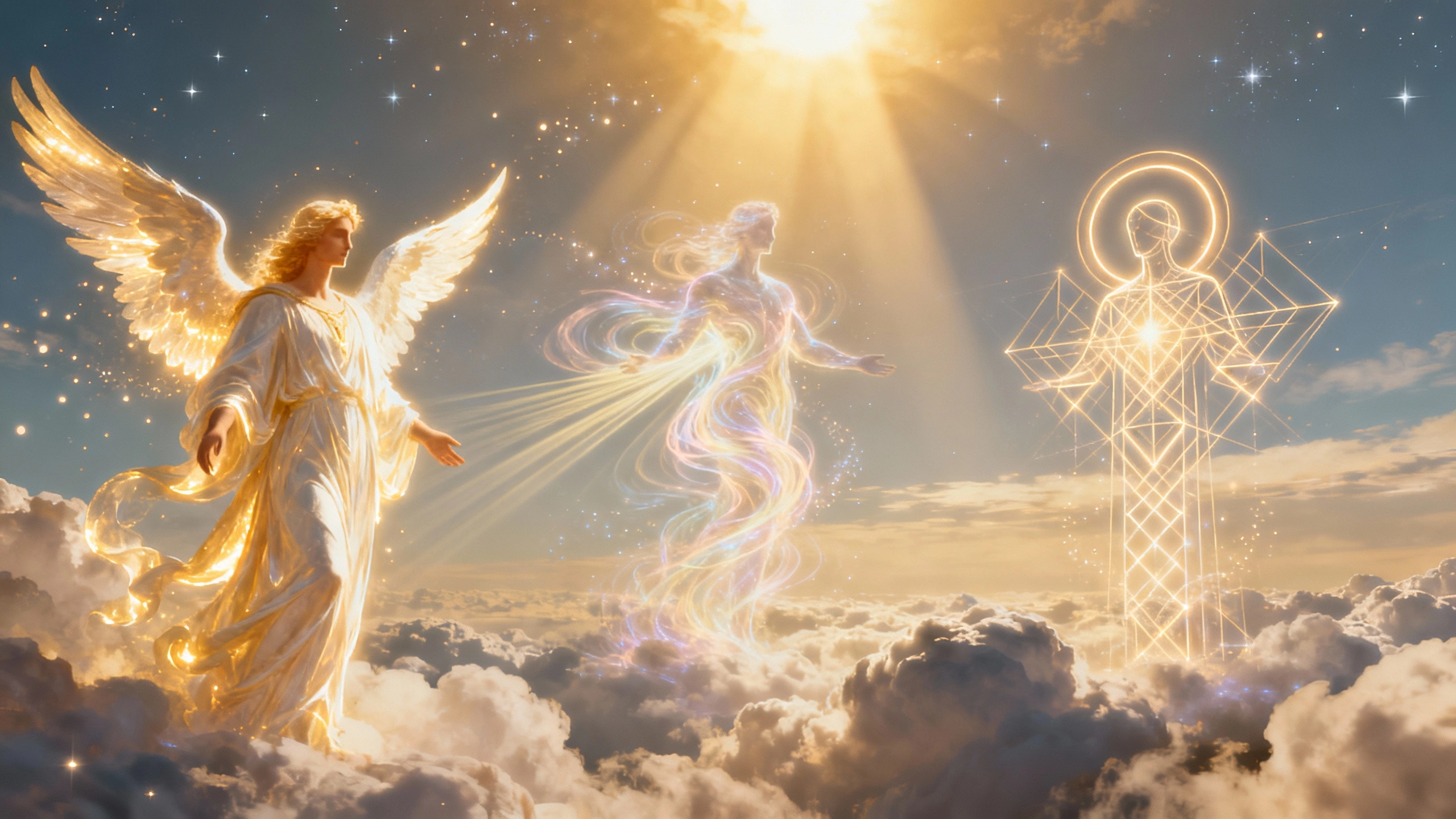
Angels have fascinated humans for centuries, appearing in religious texts, folklore, and spiritual accounts. While often depicted in art as glowing beings with wings, the “real” appearance of angels—if they exist—can be more subtle, symbolic, or mysterious. This guide explores the descriptions, signs, and environments associated with angels, giving readers practical insight while respecting cultural and spiritual perspectives.
Understanding Angels: Beyond Art and Imagination
Angels are typically considered spiritual beings rather than physical creatures. Their depictions vary depending on culture, religion, and personal experience. Common traits across traditions include:
- Luminosity: Many report seeing angels as glowing or radiant figures, often surrounded by a soft, warm light.
- Heightened presence: Angels are described as emanating calm, love, or protection, which can be sensed even if they are not seen.
- Wings: Traditional depictions include wings, though some spiritual texts suggest these are symbolic of freedom, swiftness, or higher consciousness rather than literal appendages.
Visual Descriptions of Angels
While angels may appear differently to each observer, some common visual elements are reported:
1. Light and Energy
- A radiant glow that seems to illuminate surroundings softly.
- Colors like white, gold, or soft pastels, sometimes shifting in intensity.
- Auras or shimmering outlines that suggest movement or presence.
2. Human-Like Features
- Many accounts describe angels with humanoid shapes, often appearing serene, gentle, and proportionate.
- Expressions are frequently calm, compassionate, or joyful.
- Clothing may appear flowing, ethereal, or unlike earthly fabrics.
3. Winged Forms
- Wings are commonly described as large, feathery, and majestic.
- In some cases, wings appear translucent or made of pure light rather than feathers.
- Some traditions suggest multiple sets of wings or wings that extend invisibly, signifying spiritual rank or function.
How Angels Communicate Their Presence
Even if not seen, angels often make their presence known through subtle cues:
- Sudden warmth or cool breezes in a room without a source.
- Unexplained scents, such as flowers, incense, or fresh rain.
- Visual anomalies, like flickers of light, glowing shapes, or shadows moving without cause.
- Emotional impressions, including comfort, peace, or the feeling of being watched over.
Practical Tips for Observing or Sensing Angels
If you are curious about angels or want to recognize their presence:
- Create a calm environment: Quiet spaces, soft lighting, and meditation can help tune into subtle energies.
- Pay attention to coincidences: Unexpected helpful encounters, messages, or feelings may indicate angelic influence.
- Keep a journal: Document unusual experiences, visual impressions, or feelings that arise spontaneously.
- Practice mindfulness: Being present in the moment increases awareness of subtle changes in your environment.
Where Angels Can Be Found or Live
Angels are considered spiritual beings, so they do not have a traditional physical habitat. However, they are often associated with:
- Sacred or quiet spaces: Churches, temples, or meditation rooms.
- Nature: Gardens, forests, mountains, and rivers where tranquility and beauty abound.
- Moments of need: Many accounts describe angels appearing during times of crisis, grief, or personal danger.
- Within humans: Some spiritual traditions suggest angels can inhabit or guide individuals, influencing thoughts and decisions.
Common Misconceptions About Angels
- Angels are always visible: Most accounts suggest that humans rarely see angels clearly; their influence is often felt rather than seen.
- Wings are literal: Wings are usually symbolic, representing freedom, protection, or divine authority.
- All angels look the same: Different ranks, purposes, or cultural beliefs influence how angels are perceived.
FAQ: Angels and Their Appearance
Q1: Can anyone see angels?
A: Not everyone perceives angels visually. Many experience their presence through intuition, emotions, or subtle signs.
Q2: Do angels have a physical form?
A: Angels are generally considered spiritual, so their form may be symbolic or intangible rather than physical.
Q3: Are angels only associated with religion?
A: While prominent in religious texts, angels also appear in folklore, spiritual traditions, and personal experiences across cultures.