

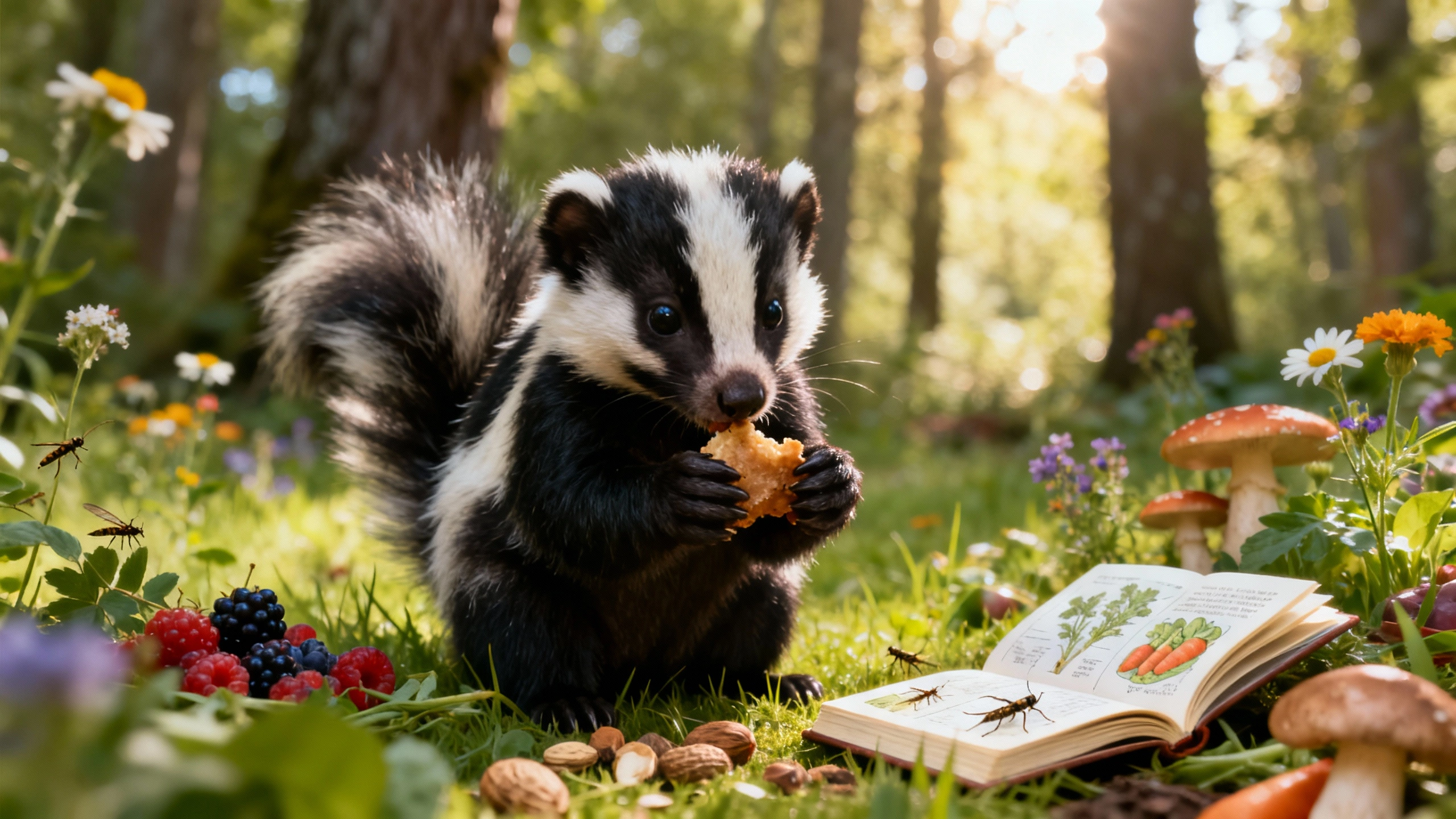
Skunks are fascinating creatures known for their distinctive black-and-white coloring and infamous defensive spray. While many people focus on their smell, understanding their eating habits is essential for anyone interested in wildlife, gardening, or even considering a skunk as a pet. This guide will explore what skunks eat, where they live, and how to safely observe or manage them.
Skunk Diet Overview
Skunks are omnivores, which means they eat both plant and animal matter. Their diet can vary depending on the season, availability of food, and location. Understanding what skunks like to eat can help prevent conflicts in gardens, farms, and residential areas.
Key Points About Skunk Eating Habits
- Primarily nocturnal feeders
- Opportunistic eaters — they eat whatever is available
- Dig in soil for insects and grubs
- Adjust diet seasonally (more fruits in summer, insects in spring)
What Skunks Eat: In Detail
Skunks have a diverse diet. Here’s a breakdown of their common food sources:
1. Insects and Invertebrates
Skunks love protein-rich insects, which are easy to find in soil or under logs.
- Beetles and beetle larvae
- Grasshoppers and crickets
- Caterpillars and worms
- Spiders and small scorpions
- Grubs (especially white grubs in lawns)
Visual cue: Digging holes in lawns or garden beds often indicates skunks searching for insects.
2. Small Animals
Though not frequent, skunks may hunt small vertebrates when the opportunity arises.
- Frogs and toads
- Small rodents like mice
- Birds or bird eggs (rare)
- Snakes (small species)
Tip: Skunks are not aggressive hunters but will take advantage of easy prey.
3. Fruits and Vegetables
Skunks enjoy sweet, soft fruits and accessible garden crops.
- Apples, berries, grapes
- Melons and squash
- Tomatoes and leafy greens
Practical advice: Protect fruit trees and garden patches with fencing if skunks are common in your area.
4. Human Food and Garbage
Skunks are known for raiding garbage bins when hungry.
- Pet food left outside
- Compost scraps
- Table leftovers
Tip: Secure trash bins and remove food sources to prevent skunks from frequenting your yard.
Seasonal Eating Habits
- Spring: Focus on insects and grubs after emerging from hibernation
- Summer: Fruit and vegetable consumption increases
- Fall: Skunks bulk up on available protein and fruits before winter
- Winter: Typically hibernate or significantly reduce activity; may eat stored food if accessible
Where Skunks Can Be Found or Live
Skunks adapt to a wide range of habitats and are commonly found in:
- Woodlands and forests
- Grasslands and prairies
- Farmlands and orchards
- Suburban and urban areas
- Near streams or wetlands
Shelter: Skunks prefer burrows dug in soil, under decks, sheds, or abandoned animal dens. They often use hollow logs or rock crevices for temporary shelter.
Signs of Skunks Feeding
If you suspect skunks are visiting your property, look for these clues:
- Small holes dug in lawns (1–3 inches wide)
- Overturned compost or trash
- Partially eaten fruits or vegetables
- Tracks with five toes and visible claws
- Scat: small, dark, segmented droppings
Tips for Observing or Managing Skunks
- Observe at night using a flashlight or night-vision device
- Avoid cornering skunks; they spray when threatened
- Keep pet food indoors or elevated
- Install motion-activated lights or sprinklers to deter unwanted visits
- Avoid leaving soft fruits or garden debris exposed
FAQ About Skunk Diet
Q1: Can skunks eat dog or cat food?
Yes, skunks will eat pet food left outside. However, it can lead to skunks becoming frequent visitors, so it’s best to feed pets indoors.
Q2: Do skunks eat poisonous plants?
Skunks usually avoid toxic plants, but ingestion of some garden chemicals or pesticides can harm them.
Q3: How much food does a skunk eat per day?
On average, an adult skunk consumes 1–2 pounds of food daily, depending on availability and season.
Conclusion
Skunks are adaptable omnivores with a diet ranging from insects and small animals to fruits and human food. Understanding their eating habits can help you coexist safely with these unique creatures and prevent unwanted encounters in gardens or homes. Always respect their space, especially at night, and avoid feeding them intentionally.